Research updates, institutional announcements and events from ISOGKP.
Research figure · Fig. 3 · Marzocchi, Montanari & RETURN task force · Resized; data unchanged · CC BY 4.0
Hazard & risk science
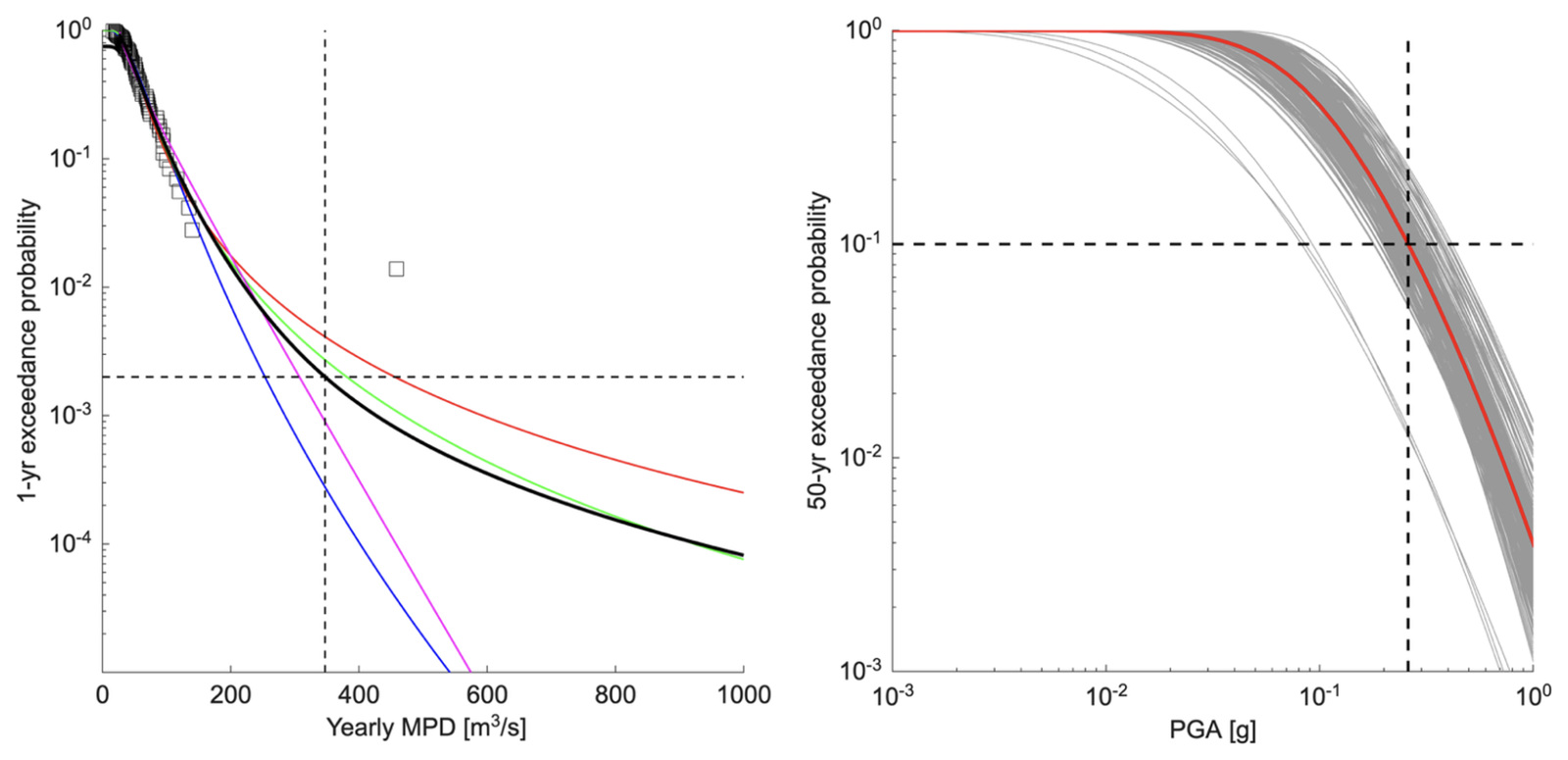
Making uncertainty visible in natural-hazard forecasts
A multidisciplinary perspective proposes a shared framework for identifying and communicating uncertainty across natural hazards. It argues that forecasts should distinguish recognised uncertainty sources and undergo transparent evaluation to better inform risk decisions.
Source: Natural Hazards and Earth System Sciences (NHESS) Published by source:
Read original source ↗Research figure · Fig. 2 · Mukattash, Butenweg, Kubalski & Klinkel · Resized; data unchanged · CC BY 4.0
Structural & earthquake engineering
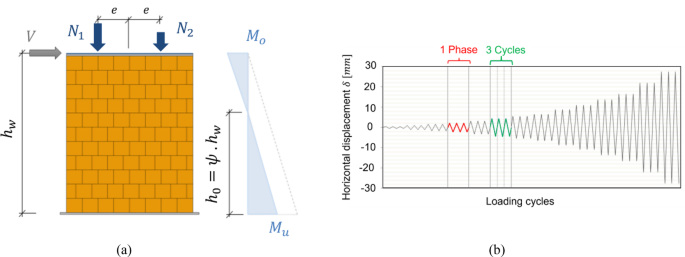
Masonry drift capacity: a continuous approach to seismic assessment
Researchers propose a masonry-wall drift model that accounts for axial load, wall slenderness and moment distribution. Numerical simulations and cyclic-test data support a continuous treatment of changing failure mechanisms, with relevance to displacement-based seismic verification.
Source: Bulletin of Earthquake Engineering Published by source:
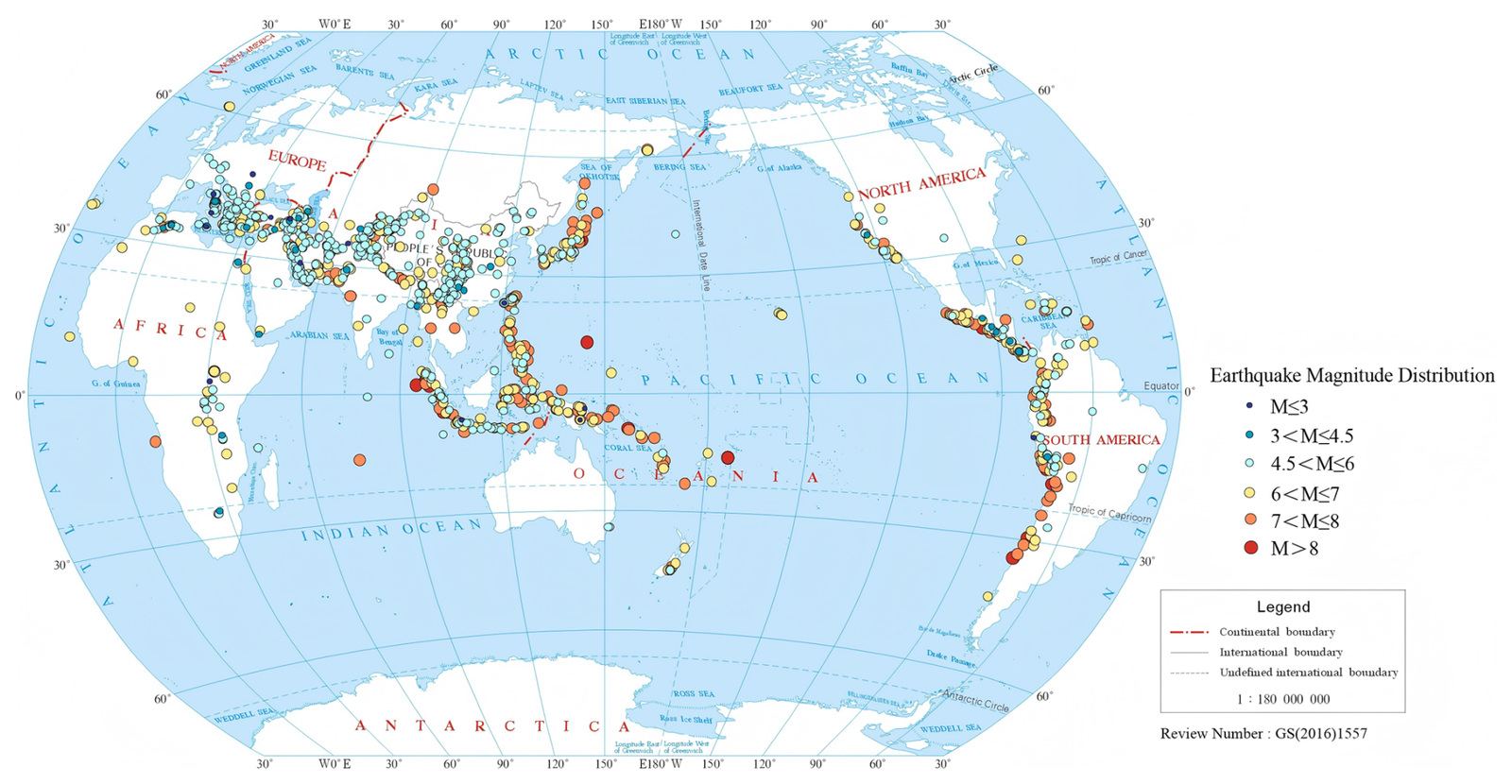
Earthquake impacts reveal contrasting global trends
A study of disaster records from 1980–2024 finds rising recorded earthquake disasters and economic losses alongside declining mortality indicators. The authors report substantial regional differences and discuss implications for exposure management and preparedness.
Source: Natural Hazards and Earth System Sciences (NHESS) Published by source:
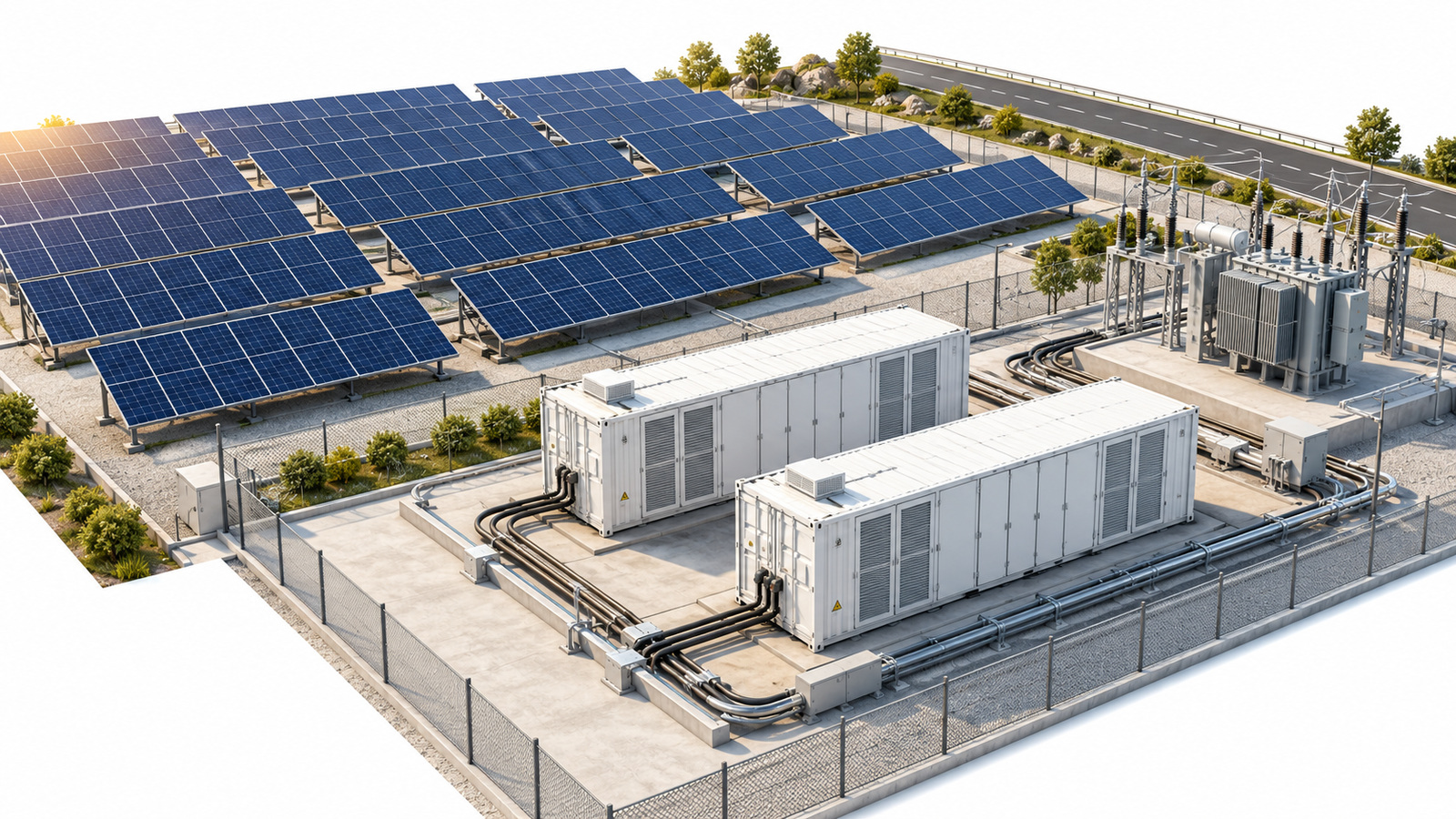
Bulgaria prepares infrastructure partnerships and expands energy storage
The EBRD reports completed work supporting renewable generation and battery storage in Bulgaria. A new preparation facility will support public-private partnerships in transport, energy and irrigation infrastructure; this is a development update, not confirmation that all proposed projects are built.
Source: European Bank for Reconstruction and Development (EBRD) Published by source:
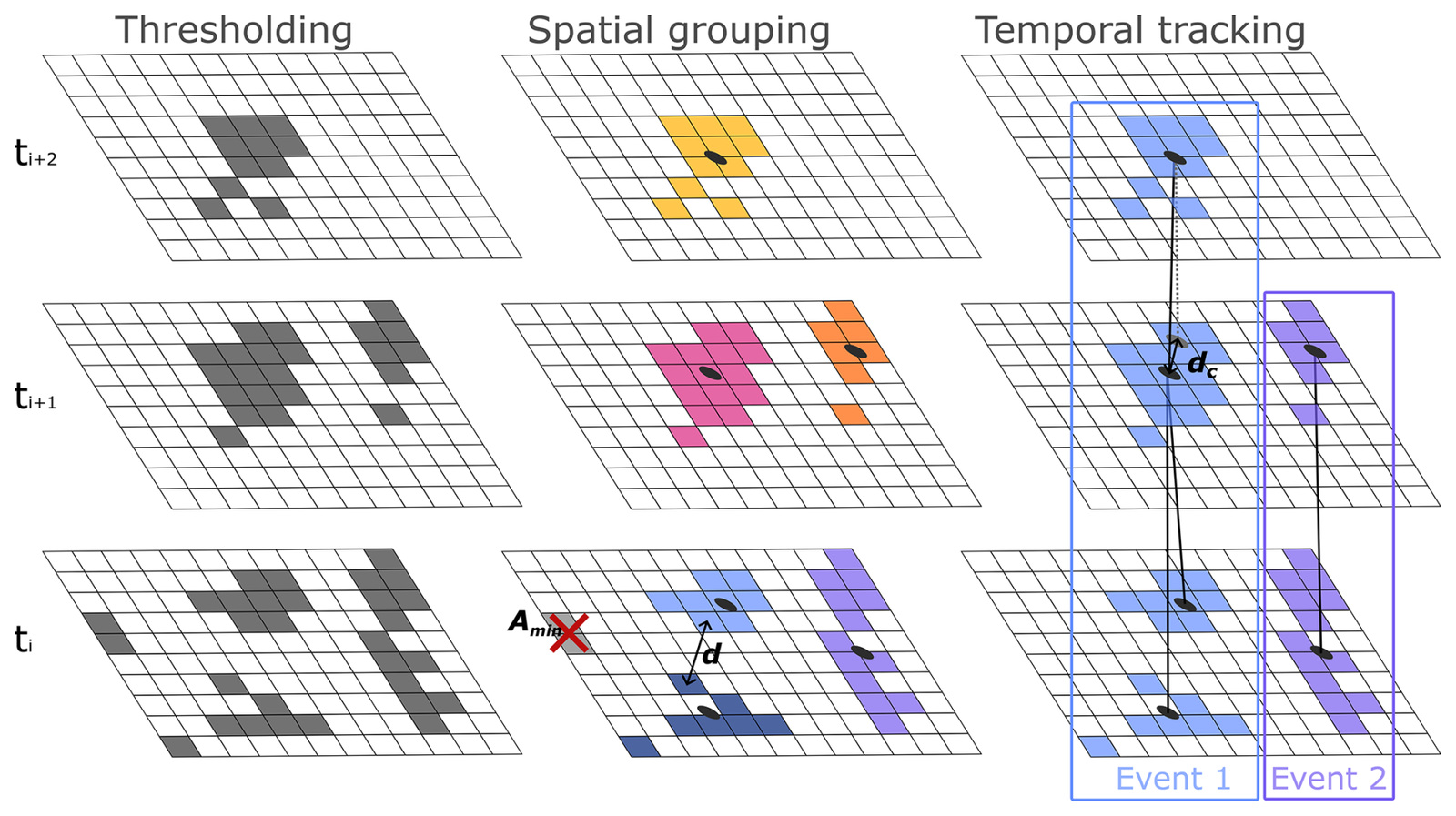
Researchers introduce an open tool for detecting and tracking heatwaves, cold spells, heavy rainfall and strong winds. It combines daily forecast-based monitoring with a historical archive to place events in context and support further risk analysis.
Source: Natural Hazards and Earth System Sciences (NHESS) Published by source:
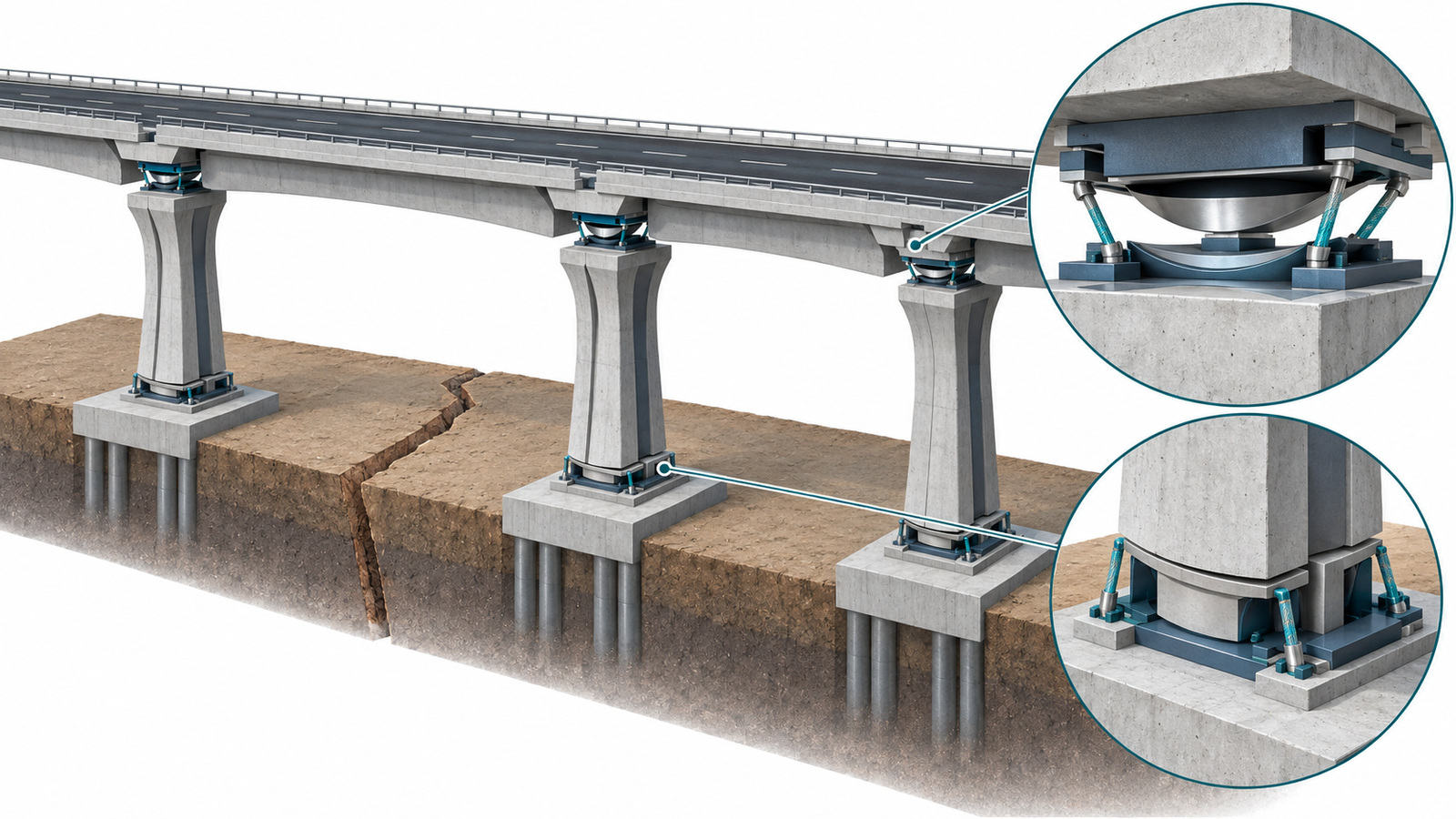
Combining energy dissipation and self-centering for fault-crossing bridges
A numerical study examines rocking piers and specialised bearings for continuous bridges crossing active faults. The combined system addresses both permanent deformation and bearing movement; the reported benefits are research findings, not a universal design prescription.
Source: Bulletin of Earthquake Engineering Published by source: